





Introduction
Bathroom lighting is one of the most important yet often overlooked aspects of bathroom design in the UK. Given the limited natural light in many British homes, effective lighting is essential for both functionality and atmosphere. This guide explores how to design a well-lit bathroom that meets modern UK standards.
Importance of Layered Lighting
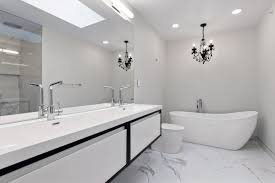
Layered lighting is the foundation of a well-designed bathroom. It involves combining three types of lighting:
- Ambient lighting for overall illumination
- Task lighting for specific activities such as shaving or applying makeup
- Accent lighting to highlight design features
Using a layered approach ensures that the bathroom is both practical and visually appealing.
Ambient Lighting Solutions
Ambient lighting provides the primary source of light in the bathroom. Ceiling-mounted LED lights are the most common choice in UK homes due to their energy efficiency and longevity.
Recessed spotlights are particularly popular because they offer a clean, modern look while distributing light evenly across the room. In smaller bathrooms, a single central fixture may be sufficient.
Task Lighting for Practical Use
Task lighting is essential for areas where precision is required, such as around mirrors and sinks. Poor lighting in these areas can make daily routines difficult.
LED mirror lights or wall-mounted fixtures placed at eye level provide even illumination without casting shadows. This is especially important in UK homes where natural daylight may be limited.
Accent Lighting for Style
Accent lighting adds depth and character to a bathroom. It can be used to highlight features such as textured walls, niches, or freestanding bathtubs.
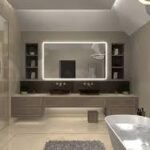
Popular options include LED strip lighting under cabinets or along shelves. These subtle additions can transform the overall ambiance of the space.
IP Ratings and Safety Regulations
Safety is a critical consideration in bathroom lighting. In the UK, electrical installations must comply with strict safety standards, including IP (Ingress Protection) ratings.
Different zones in the bathroom require specific IP ratings depending on their proximity to water. For example:
- Zone 0 (inside bath/shower): IP67 or higher
- Zone 1 (above bath/shower): IP65 or higher
- Zone 2 (near water sources): IP44 or higher
Ensuring compliance with these standards is essential for safety and legal requirements.
Energy Efficiency Considerations
Energy efficiency is increasingly important in UK households. LED lighting is the preferred choice due to its low energy consumption and long lifespan.
Using dimmer switches can also help reduce energy usage while allowing homeowners to adjust lighting levels according to their needs.
Common Lighting Mistakes to Avoid
Many homeowners make mistakes that reduce the effectiveness of their bathroom lighting. Common issues include:
- Relying on a single light source
- Poor placement of mirror lighting
- Ignoring IP safety ratings
- Choosing overly harsh or dim lighting
Avoiding these mistakes can significantly improve both functionality and aesthetics.
Conclusion
A well-designed bathroom lighting system enhances usability, safety, and style. By incorporating layered lighting, following UK safety regulations, and prioritising energy efficiency, homeowners can create a comfortable and visually appealing bathroom environment.