


Introduction
Small bathrooms are a common challenge in UK homes, particularly in older properties and urban areas. Limited space requires careful planning and smart design choices to ensure both functionality and style. This article explores effective strategies to maximise space in compact bathrooms without compromising on comfort.
Understanding Space Constraints in UK Properties
Many UK homes, especially Victorian and terraced houses, were not designed with modern bathroom needs in mind. As a result, homeowners often deal with narrow layouts and limited floor space. Understanding these constraints is the first step in creating a practical design.
Careful measurement and layout planning are essential. Even small adjustments, such as repositioning fixtures, can significantly improve usability.
Optimising Layout for Functionality
A well-planned layout is crucial in a small bathroom. Prioritising essential fixtures—such as the toilet, sink, and shower—helps avoid overcrowding.
Corner sinks and compact toilets are excellent space-saving options. Positioning fixtures along one wall can also create a more open feel. Sliding or pocket doors are another effective solution, as they eliminate the need for swing space.
Choosing the Right Fixtures
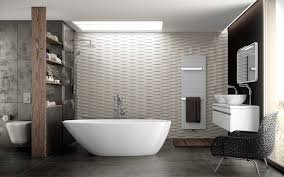
Selecting the right fixtures can make a noticeable difference in small bathrooms. Wall-mounted toilets and floating vanities create the illusion of more space by exposing more floor area.
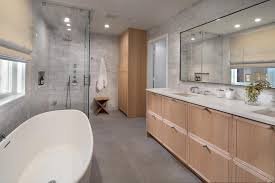
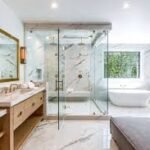
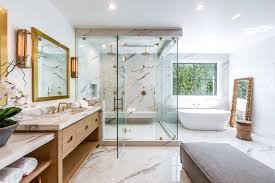
Walk-in showers are often more practical than bathtubs in compact spaces. Frameless glass enclosures allow light to flow freely, making the room appear larger.
Smart Storage Solutions
Storage is often a major concern in small bathrooms. Built-in niches within shower areas provide convenient storage without taking up additional space.
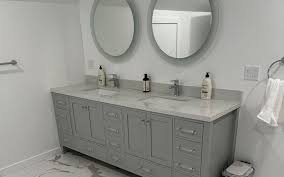
Mirrored cabinets serve a dual purpose by offering storage while reflecting light. Vertical storage solutions, such as tall cabinets or shelving units, maximise unused wall space.
Use of Colour and Materials
Light colours are highly effective in making small bathrooms feel more spacious. Shades such as white, cream, and soft grey reflect light and create an airy atmosphere.
Glossy tiles and reflective surfaces further enhance this effect. Large-format tiles can also reduce visual clutter by minimising grout lines.
Lighting Techniques for Small Spaces
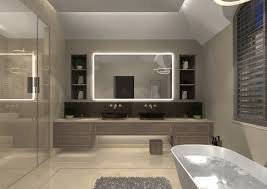
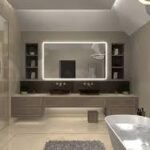
Lighting plays a crucial role in enhancing the perception of space. Layered lighting—combining ceiling lights, wall lights, and mirror lighting—ensures the room is well-lit and functional.
LED lighting is energy-efficient and ideal for modern bathrooms. In UK homes where natural light is limited, artificial lighting must be carefully planned.
Adding Style Without Clutter
Even in small bathrooms, style should not be overlooked. Minimalist design is particularly effective, focusing on clean lines and simple finishes.
Adding a single statement feature—such as a patterned tile or bold tapware—can create visual interest without overwhelming the space.
Conclusion
Designing a small bathroom in a UK home requires creativity and strategic planning. By optimising layout, choosing space-saving fixtures, and using light-enhancing materials, you can create a functional and stylish space that meets modern needs.